

ISO 9001 Internal Auditor Course: Build Professional Auditing Skills for Quality Excellence
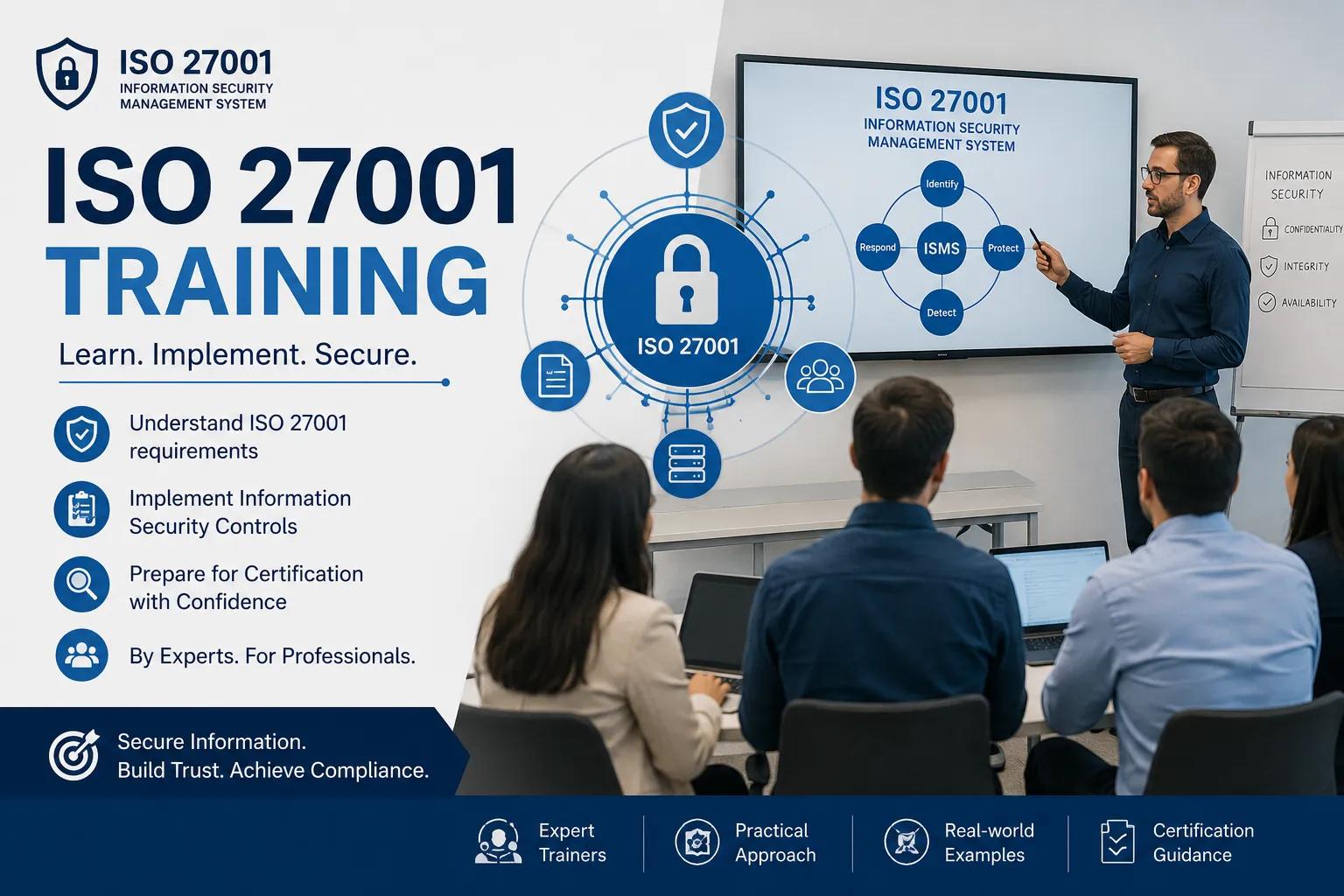
ISO 9001 Internal Auditor Course: Build Professional Auditing Skills for Quality Excellence
Introduction
An ISO 9001 Internal Auditor Course is a comprehensive training program designed to equip professionals with the knowledge and practical skills required to perform effective internal audits of a Quality Management System (QMS). Based on the requirements of ISO 9001:2015, the internationally recognized standard for quality management, this course enables participants to assess an organization's processes, identify nonconformities, and recommend improvements that enhance business performance.
Internal auditing is one of the most important elements of an effective Quality Management System. It helps organizations verify that their processes comply with ISO 9001 requirements while supporting continual improvement and customer satisfaction. Whether an organization is preparing for ISO 9001 certification or maintaining an existing certified management system, qualified internal auditors play a critical role in ensuring ongoing compliance and operational excellence.
What is an ISO 9001 Internal Auditor Course?
An ISO 9001 Internal Auditor Course provides participants with a detailed understanding of the ISO 9001:2015 standard and internationally accepted auditing principles. The training focuses on developing the competence needed to plan, conduct, report, and follow up on internal audits within an organization.
Participants learn how to evaluate business processes against ISO 9001 requirements, collect objective evidence, identify strengths and weaknesses, and verify the effectiveness of corrective actions. The course also introduces risk-based thinking, process auditing techniques, audit planning, communication skills, and audit reporting methods.
Most training programs include a combination of classroom instruction, practical workshops, case studies, role-playing exercises, and mock audits. These activities help participants gain hands-on experience and prepare them to conduct audits confidently in real workplace environments.
Key Topics Covered in the Course
An ISO 9001 Internal Auditor Course typically covers a wide range of topics that help participants understand both the quality management system and the auditing process. Common subjects include:
Overview of ISO 9001:2015 requirements
Quality Management Principles
Process approach and risk-based thinking
Context of the organization
Leadership and commitment
Planning and quality objectives
Operational controls
Performance evaluation
Continual improvement
Internal audit planning and scheduling
Audit checklists and documentation
Interviewing techniques
Collecting objective evidence
Identifying nonconformities
Corrective and preventive actions
Audit reporting and follow-up activities
By the end of the course, participants gain the confidence to perform systematic internal audits that add value to the organization.
Benefits of ISO 9001 Internal Auditor Training
ISO 9001 Internal Auditor Training offers significant benefits for both organizations and individual professionals.
For organizations, trained internal auditors help ensure compliance with ISO 9001 requirements while identifying opportunities to improve efficiency and productivity. Regular internal audits reduce the likelihood of recurring errors, improve consistency in business operations, and support successful certification and surveillance audits.
Internal auditing also strengthens customer confidence by ensuring products and services consistently meet quality requirements. Organizations benefit from improved decision-making through better process monitoring and data-driven performance evaluations.
For individuals, the course enhances professional knowledge and auditing skills that are highly valued across many industries. Participants gain practical experience in evaluating management systems, conducting interviews, preparing audit reports, and recommending improvements. These competencies increase career opportunities in quality management, compliance, manufacturing, healthcare, logistics, construction, information technology, and service industries.
Who Should Attend the Course?
The ISO 9001 Internal Auditor Course is suitable for professionals responsible for implementing, maintaining, or improving a Quality Management System. It is ideal for:
Quality Managers
Quality Engineers
Internal Auditors
Compliance Officers
Management Representatives
Production Managers
Operations Managers
Process Owners
Supervisors and Team Leaders
Consultants
Business Owners
Individuals preparing for ISO certification roles
No previous auditing experience is required for many introductory internal auditor courses, making them suitable for beginners as well as experienced professionals seeking formal training.
Why Internal Audits Are Important
Internal audits are an essential requirement of ISO 9001 because they help organizations determine whether their Quality Management System is functioning effectively. They provide an opportunity to identify process weaknesses before they become major issues and ensure that corrective actions are implemented promptly.
Regular audits help organizations:
Improve process efficiency
Reduce operational risks
Enhance customer satisfaction
Maintain compliance with ISO requirements
Support continual improvement initiatives
Prepare for external certification audits
Strengthen employee awareness of quality objectives
Rather than being viewed as inspections, internal audits should be considered valuable management tools that contribute to long-term organizational success.
Career Opportunities After Completing the Course
Professionals who complete an ISO 9001 Internal Auditor Course can pursue a variety of career opportunities across different sectors. Many organizations actively seek trained auditors to support quality management initiatives and certification requirements.
Common job roles include:
Internal Auditor
Quality Assurance Executive
Quality Engineer
Quality Manager
Compliance Officer
Process Improvement Specialist
Management System Coordinator
ISO Consultant
Supplier Quality Engineer
Operations Excellence Professional
The knowledge gained through the course also provides a strong foundation for advanced qualifications, including ISO 9001 Lead Auditor Training.
Conclusion
An ISO 9001 Internal Auditor Course is an excellent investment for professionals and organizations committed to achieving quality excellence. By developing practical auditing skills and gaining a comprehensive understanding of ISO 9001:2015 requirements, participants can effectively assess management systems, identify improvement opportunities, and support continual business growth.
For organizations, trained internal auditors contribute to stronger compliance, improved operational efficiency, and enhanced customer satisfaction. For individuals, the course opens doors to rewarding career opportunities in quality management, auditing, and compliance across a wide range of industries. Investing in ISO 9001 Internal Auditor Training is a strategic step toward building a culture of quality, continual improvement, and long-term organizational success.